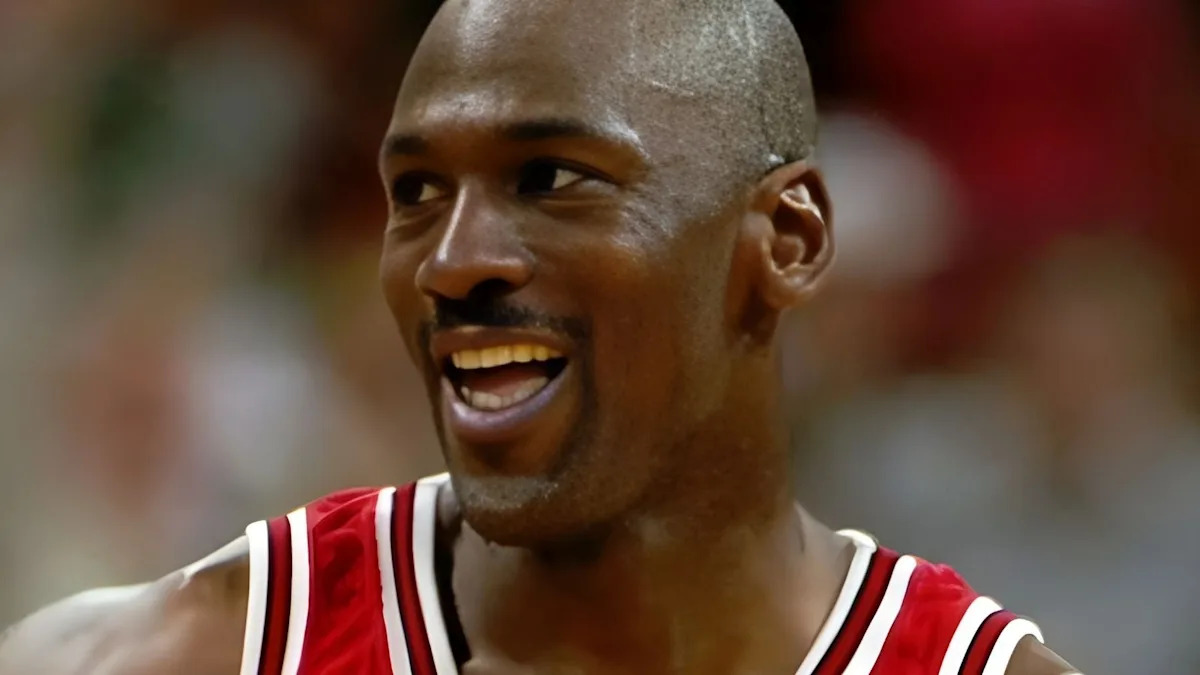
MJ's Daytona 500 Joy & Viral Video Twist: Was His Legacy Safe?
The roar of engines, the thrill of victory, and the unmistakable presence of a legend – the Daytona 500 delivered all this and more, particularly for Michael Jordan. Co-owner of 23XI Racing, Jordan was celebrating a monumental win with driver Tyler Reddick. Yet, amidst the confetti and jubilation, a brief interaction filmed by a bystander quickly spiraled into a global phenomenon, sparking outrage, debate, and ultimately, a nuanced discussion about reputation in the digital age. The Michael Jordan video from that day became a testament to how quickly a narrative can form, and how crucial context is in safeguarding a decades-long legacy.
A Championship-Level Celebration: Michael Jordan's NASCAR Triumph
For a man synonymous with unparalleled success on the basketball court, Michael Jordan’s foray into NASCAR ownership has been another testament to his competitive spirit and ambition. His 23XI Racing team, co-owned with Denny Hamlin, has steadily been making its mark in the high-octane world of stock car racing. The Daytona 500, often called "The Great American Race," is one of the most prestigious events on the NASCAR calendar, and a victory there is akin to winning a major championship.
On that fateful Sunday, February 15th, the team achieved just that, with Tyler Reddick securing a triumphant win. The celebration that followed was understandably electric. Jordan, ever the competitor, was seen overcome with emotion, describing the feeling as "so gratifying." He remarked, “I’m ecstatic. I don’t even know what to say. It feels like I won a championship, but until I get my ring, I won’t even know.” This raw display of joy showcased a different side of the basketball icon, one deeply invested in the success of his team in a sport he’s grown to love. It was against this backdrop of pure, unadulterated happiness that the now-infamous Michael Jordan video emerged.
The Viral Storm: Initial Reactions to the Michael Jordan Video
In the age of instant sharing, a few seconds of footage can instantly ignite a global conversation. As celebrations continued on the track, Tyler Reddick’s young son, Beau Reddick, was among those present. A short clip, captured amidst the chaos, showed Michael Jordan appearing to interact with the child. Almost immediately, the video went viral, quickly spreading across social media platforms like wildfire.
Initial interpretations of the Michael Jordan video were overwhelmingly negative. Without full context, many viewers perceived Jordan’s actions as inappropriate, leading to widespread condemnation. Celebrities like 50 Cent even reacted, highlighting the immediate and far-reaching impact of such content. The rapid dissemination of the clip sparked outrage, with some commentators suggesting that decades of Jordan’s carefully cultivated "coolest legacy ever" were being jeopardized in a mere ten seconds. One fan lamented on X, “That MJ video is a real problem man… 40 yrs of arguably the coolest legacy ever, all out the window in 10 seconds.” This sentiment underscored the deep concern among fans who had grown up revering Jordan as an almost mythical figure, from his dominant NBA career to his iconic presence in popular culture, even starring in his own video game, "Michael Jordan: Chaos in the Windy City," where he was depicted as a hero saving his teammates.
Unpacking the Footage: The Truth Behind the Ice
As the controversy surrounding the Michael Jordan video reached a fever pitch, a crucial development began to shift the narrative: new footage and eyewitness accounts emerged, providing much-needed context. This wasn't a case of malicious intent, but rather a moment of human helpfulness caught in an unflattering light.
The revised perspective revealed that Beau Reddick had been drenched during the exuberant post-race celebration, not just with water and confetti, but also with chunks of ice. The new footage clearly showed Jordan, who has a long-standing reputation for being genuine and kind off-court, attempting to remove this debris from the child's shirt. Bubba, a notable figure in the NASCAR community, was among the first to clarify the situation. He admitted that his initial reaction was one of shock but urged fans to exercise due diligence. “Michael Jordan reaching into Tyler Reddick’s son’s waistband went viral fast. But if you actually watch it closely, you can see chunks of ice packed in the kid’s back. First glance looks bad. Second glance looks like someone helping a kid who had ice shoved down his shirt,” he explained on his radio show.
Scores of analysts and fans quickly rallied to Jordan’s defense, highlighting the dangers of premature judgment in the digital age. Many pointed out that the immediate leap to sexualization said more about the accusers than about Jordan himself. However, despite the clarifying evidence, some users remained unconvinced, illustrating the difficulty of altering a narrative once it has taken root online. You can read more about the detailed analysis of the video here: Michael Jordan Viral NASCAR Video: The Truth About the Ice.
This incident serves as a powerful reminder of:
- The Speed of Virality: How quickly a clip can spread globally, often stripped of its original context.
- The Power of Misinterpretation: How a simple, benign action can be misconstrued with devastating effect.
- The Importance of Due Diligence: The responsibility of viewers and media to seek out full information before forming judgments.
The Digital Age's Double-Edged Sword: Legacy in the Viral Crosshairs
Michael Jordan’s viral moment at Daytona Beach is more than just a fleeting controversy; it's a profound illustration of the challenges public figures face in the hyper-connected world. For decades, Jordan has been a global icon, a brand unto himself. His image has been meticulously managed, from legendary sports moments to successful business ventures. This incident, however, exposed the fragility of even the most established reputations when confronted with the unfiltered, unverified judgments of the internet mob.
The ability for a video, regardless of its true context, to instantly become a "problem" underscores a critical aspect of modern media consumption: confirmation bias and the allure of sensationalism. People are often quicker to believe and share content that confirms their existing biases or provides a dramatic narrative, even if it's unfounded. The initial outrage wasn't just about Jordan; it was about a collective human tendency to react emotionally before rationally.
This episode also highlights the role of critical thinking in a media-saturated landscape. As consumers of information, we have a responsibility to question, to seek multiple sources, and to resist the urge to jump to conclusions. Jordan's legacy, built on decades of sportsmanship, philanthropy, and competitive excellence, was momentarily under threat, not by his actions, but by the rapid, decontextualized spread of a few seconds of footage.
Navigating the Viral Landscape: Lessons from MJ's Moment
The Michael Jordan video saga offers invaluable lessons for individuals, public figures, and even brands operating in today's digital environment. It’s a stark reminder that in an era where everyone carries a camera and an instant publishing platform in their pocket, scrutiny is constant, and narratives can be incredibly fluid.
Practical Tips for Public Figures and Brands:
- Assume You Are Always Being Filmed: Acknowledging this reality can foster greater mindfulness in public interactions.
- Act Swiftly with Context: When controversy arises, a timely and clear explanation, backed by evidence (like the new footage in Jordan's case), is crucial.
- Build a Strong Foundation of Trust: A long-standing positive reputation, like Jordan's, can act as a buffer against immediate condemnation, giving time for the truth to emerge.
- Monitor Online Sentiment: Staying aware of how your image is perceived online allows for quicker intervention.
- Empower Defenders: Loyal fans and trusted voices (like Bubba in this case) can be powerful allies in correcting misinformation.
Tips for Consumers of Viral Content:
- Pause Before Sharing: Take a moment to consider the source, context, and potential implications of what you're about to amplify.
- Seek Multiple Perspectives: Don't rely on a single clip or headline. Look for additional footage, eyewitness accounts, or official statements.
- Question Initial Impressions: Viral content is often curated for maximum emotional impact. Challenge your first reaction.
- Understand the Algorithm: Social media platforms prioritize engagement, which often means sensational or controversial content gets more visibility.
The incident surrounding the Michael Jordan video at the Daytona 500 stands as a poignant illustration of our digital age. It began with genuine joy, twisted into controversy by a viral snippet, and eventually brought back to clarity through diligent investigation and critical thinking. While the initial backlash was swift and severe, the emergence of full context ultimately reinforced the integrity of a legend. It reminds us that in a world awash with information, the pursuit of truth and a commitment to responsible online engagement are more vital than ever, ensuring that legacies, painstakingly built over decades, are not unjustly shattered in mere seconds.